Explore our CASE and Material Technologies

Connected Car

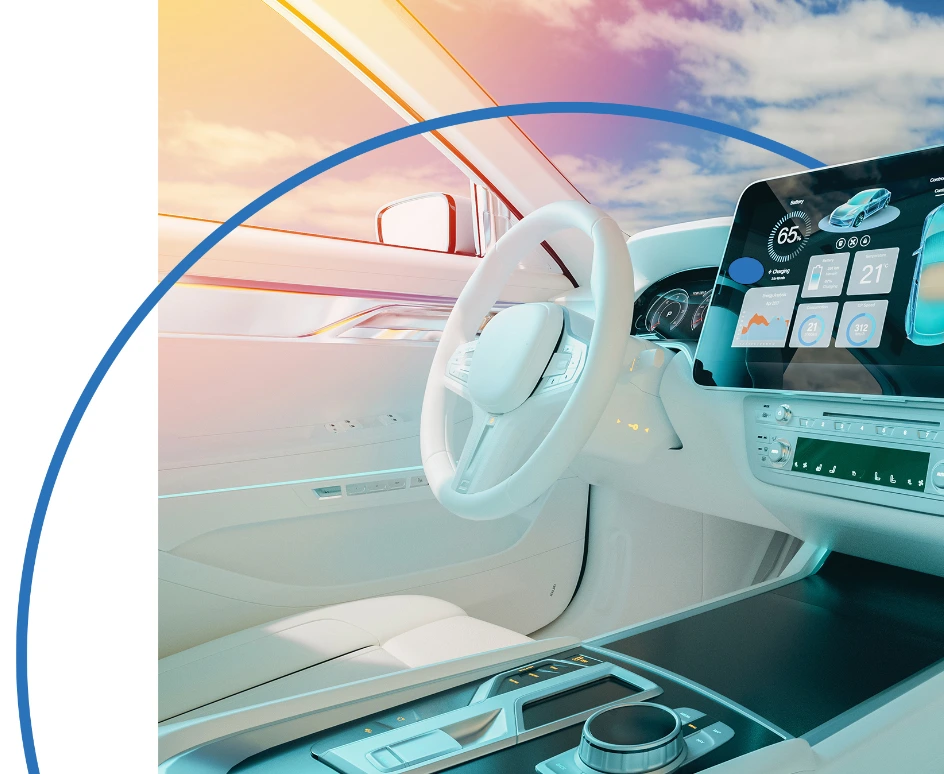
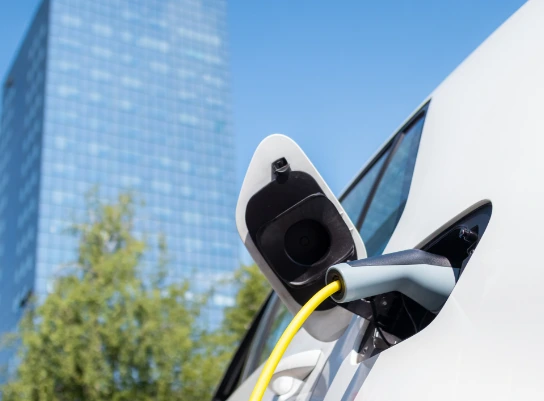
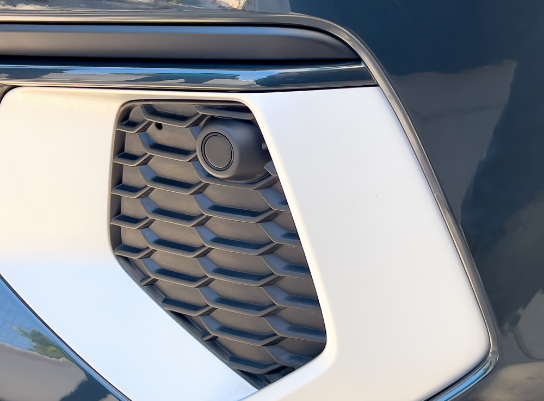
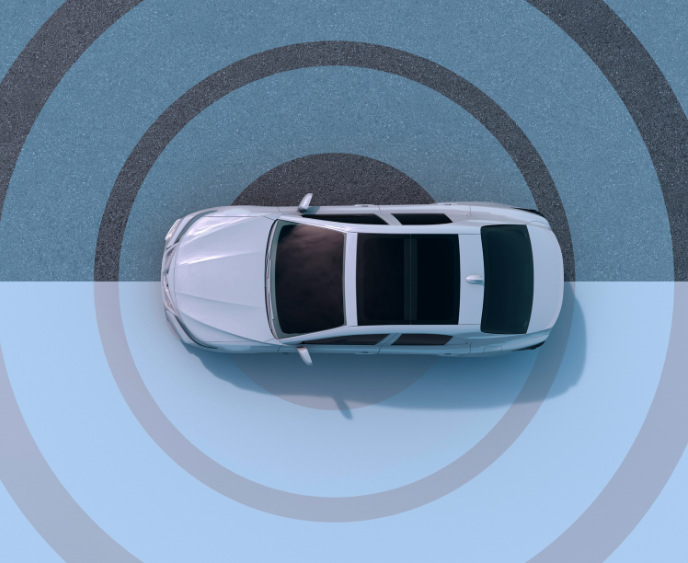
Connected vehicles are becoming increasingly popular as consumers want smarter, safer cars with personalized experiences. Mitsubishi Chemical Group understands the challenge OEMs and tiers face in the connected car space. Our technical expertise in the automotive and mobility industry makes us an ideal partner for developing specialized material solutions to reinvent customer value to keep your competitive edge.

Solutions

  • Engineering plastics
  • Special resin plating technology for antennas, PMMA optical fiber
  • High heat-resistant films, electromagnetic and wave shield materials
  • Nitrogen gallium substrate, synthetic quartz powder, and precision cleaning technology
  • Thermal management technologies


Tabs Component

Controls, buttons, and knobs

Specialty polymers for high-touch interfaces and control elements

Controls experience some of the most demanding material environments in the vehicle interior applications. They endure continuous user interaction alongside mechanical, thermal, and chemical stress. Buttons, knobs, and switch components must maintain dimensional stability, surface quality, and tactile consistency despite repeated operation, UV exposure, temperature cycling, and contact with skin oils and cleaning agents.

Material selection directly influences haptics, durability, and manufacturing efficiency. Polymers used in control systems should support precise molding of fine geometries, resist wear and gloss change, and enable design features such as soft-touch surfaces, high-gloss finishes, and integrated lighting or symbols.

Featured materials & technologies for buttons, knobs, housings, and surfaces

Explore our CASE and Material Technologies

Airbags and crash-relevant interior systems

Highly reliable polymers for occupant protection systems

Airbag components operate under extreme mechanical and thermal conditions, requiring materials that deliver predictable fracture behavior, impact resistance, and long-term stability. Covers, chutes, and deployment housings must maintain structural integrity for years while responding instantaneously and reliably in the event of a crash.

Material selection is critical for balancing toughness, controlled energy absorption, dimensional precision, and compatibility with integrated sensing and triggering systems. Polymers used in airbag modules are designed to also withstand temperature cycling, aging, and processing constraints associated with high-volume automotive manufacturing.

Featured materials & technologies for airbag systems

Automotive Global Solution Provider

Learn more about how our automotive specialty materials can support your green transformation
through our Application Material Solutions.

Get in touch

Ask our Automotive Experts how C.A.S.E. material technology can help give you a competitive edge.